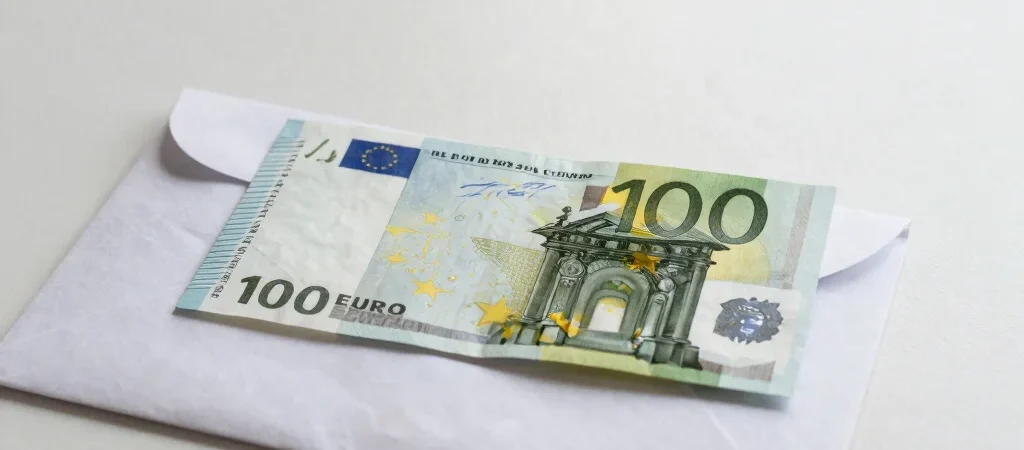
This site is for education only; BuyFakeMoney.eu does not sell counterfeit money. If a euro note you have received seems suspicious, do not try to spend it or hand it to someone else while you figure it out.
Keep the situation calm
If you are still with the person who gave you the note, prioritize your safety and avoid an argument. Do not accuse someone based on one quick check; move to a safe place and contact the appropriate local authority if needed.
Keep the note separate from your other cash, and handle it as little as practical. Make a brief note of when and where you received it and anything you remember about the exchange, without marking or altering the banknote.
Use official local guidance
Contact your local police or national central bank and ask how suspected counterfeit notes should be submitted where you are. Procedures can differ by country, so follow their directions rather than relying on a general online checklist.
A bank may be able to examine a note, but ask first how it handles suspected counterfeits and what information it needs. If the note is confirmed counterfeit, it is generally not reimbursed; if it is genuine, the receiving authority can explain the next step.
Check the note in context
If you are unsure rather than convinced, compare several features: feel the raised print, look for the watermark and security thread against light, and tilt the note to check its hologram and color-changing elements. Make sure you compare the correct denomination and series, since older euro notes do not have all the same visible details as newer ones.
The practical rule is simple: do not knowingly pass on a note you suspect is counterfeit. Keep a record, seek official advice, and let the relevant authority assess it.